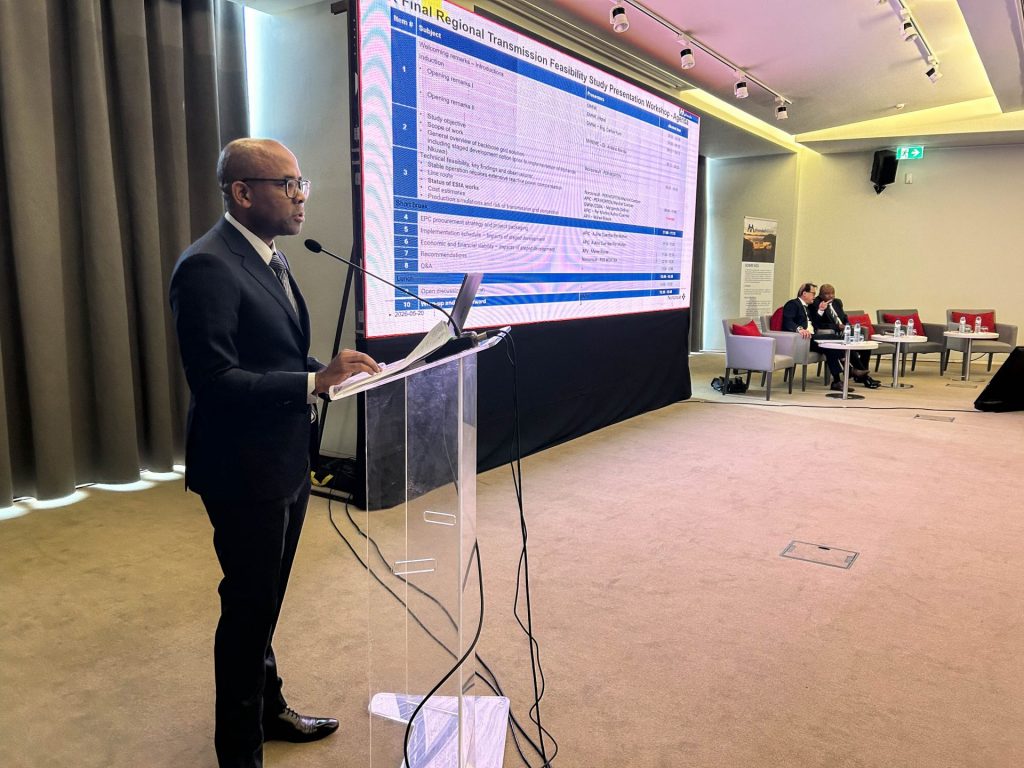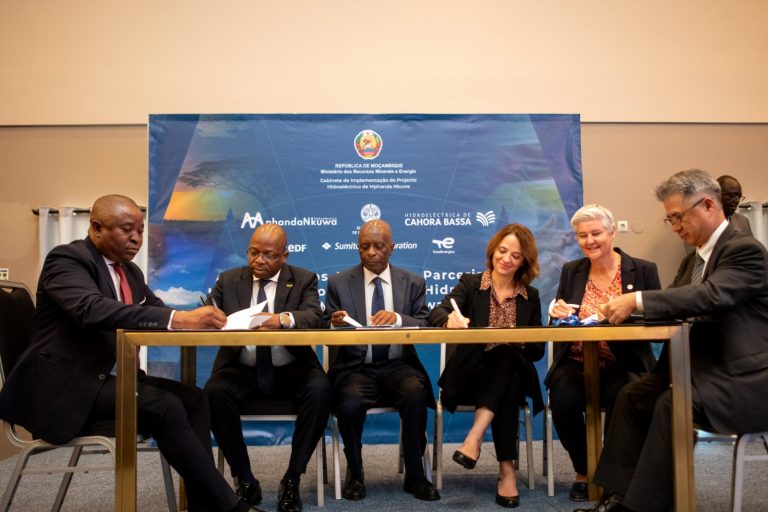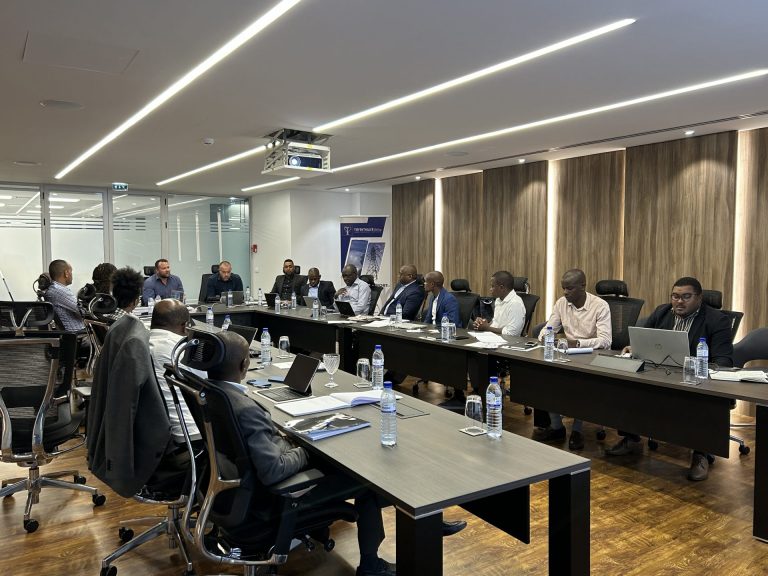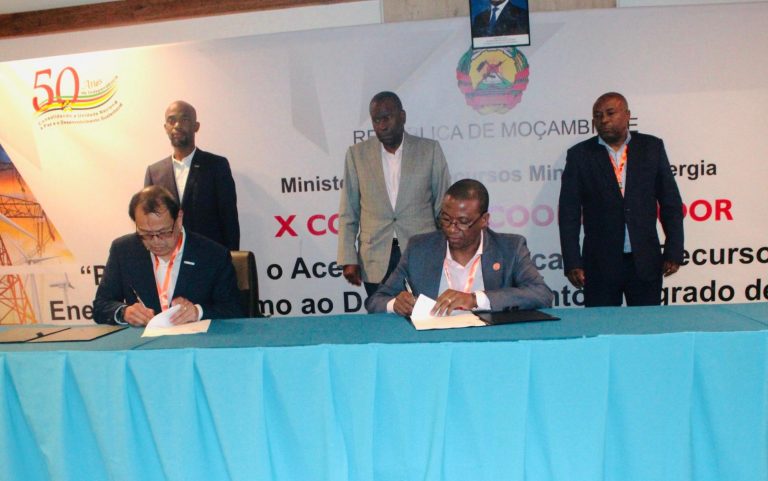
A report on the feasibility study for the high-voltage power transmission line from Tete province to Maputo was presented today in Maputo.
The main findings of the report recommend the development of the main alternating current network from Mphanda Nkuwa to Maputo, based on a minimum of two single-circuit 400 kV transmission lines. The infrastructure is structured in three implementation phases covering green corridors one, two and three.
Conducted by a consortium led by the company Norconsult, the study aimed to present a solution for electricity transmission infrastructure, taking into account the evolving national and regional context marked by the development of gas-fired power plants in Mozambique, including Temane (450 MW, Phase 1). The project is aligned with the Electricity Infrastructure Master Plan and the National Economic Industrialisation Strategy, positioning the country as a regional energy hub, including the potential decarbonisation of the electricity sector within the framework of the energy transition adopted by the Mozambican government.
The study focused on assessing technical and economic alternatives for evacuating energy from the central region near Tete, specifically Mphanda Nkuwa, to the southern region, determining the most cost-effective way to supply electricity to Southern Africa while demonstrating technical feasibility.
This 400 kV infrastructure does not merely represent a power transmission line. It represents the future backbone of Mozambique’s Centre-South transmission system. By directly linking the Tete region to the Maputo region through a corridor structured around multiple new substations envisaged in the feasibility study, the line creates, for the first time in the history of the national electricity sector, a robust energy transmission axis capable of supporting large volumes of renewable energy production, allowing the substations along the corridor to become not only technical points in the grid, but also centres of economic development.
The infrastructure is above all the fundamental channel for evacuating energy from the Mphanda Nkuwa Hydroelectric Project, technically enabling the exploitation of its large-scale renewable generation potential.
In future, the infrastructure will be managed by the Government of Mozambique through Electricidade de Moçambique (EDM), acting as system operator. The transmission infrastructure project is intended to support the government’s vision of clean and sustainable energy, industrialisation, universal access and regional integration.
With an estimated cost of US$1.4 billion, the Government of Mozambique has already secured part of the financing for Phase I through the World Bank and the African Development Bank (AfDB). Financing discussions for subsequent phases are ongoing with the European Investment Bank, the European Union and other financial institutions.
Construction of the transmission line will include an Environmental and Social Impact Assessment (ESIA), covering the identification, characterisation and evaluation of environmental impacts resulting from construction and operation of the project, as well as the definition of the environmental mitigation measures required to optimise the project’s environmental performance. This will also include public participation, a Resettlement Policy Framework, an Environmental Management Plan and a Community Development Plan in accordance with national legislation and international requirements.
The transmission line is also expected to boost industrial development along its corridor through the various substations included in the project.
With an extension of around 1,300 km, the power transmission infrastructure will make possible the evacuation of large quantities of renewable energy produced in Tete province and enable new generation sources, including the Mphanda Nkuwa Hydroelectric Plant and other projects currently under study.