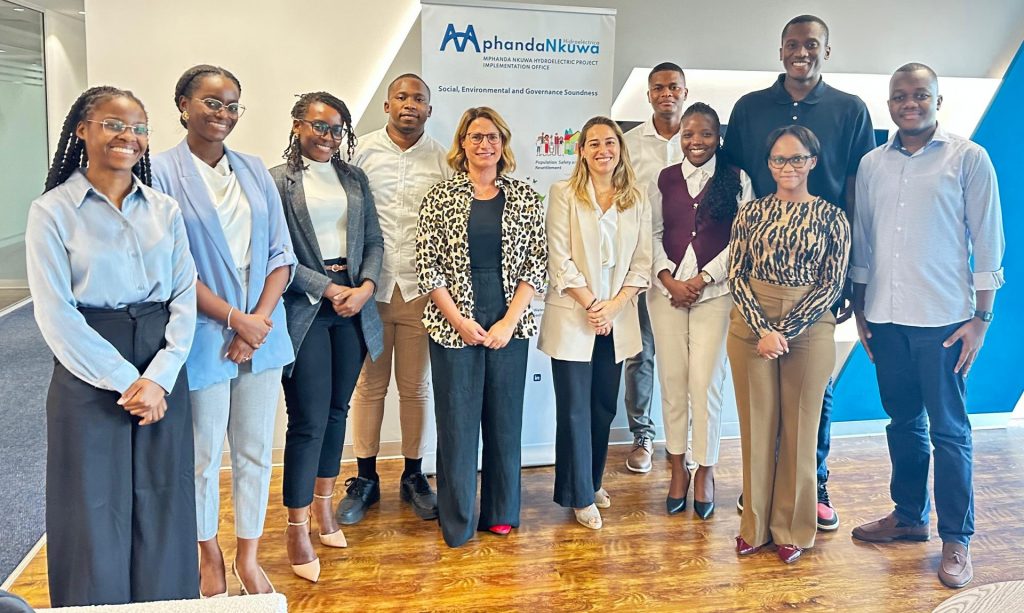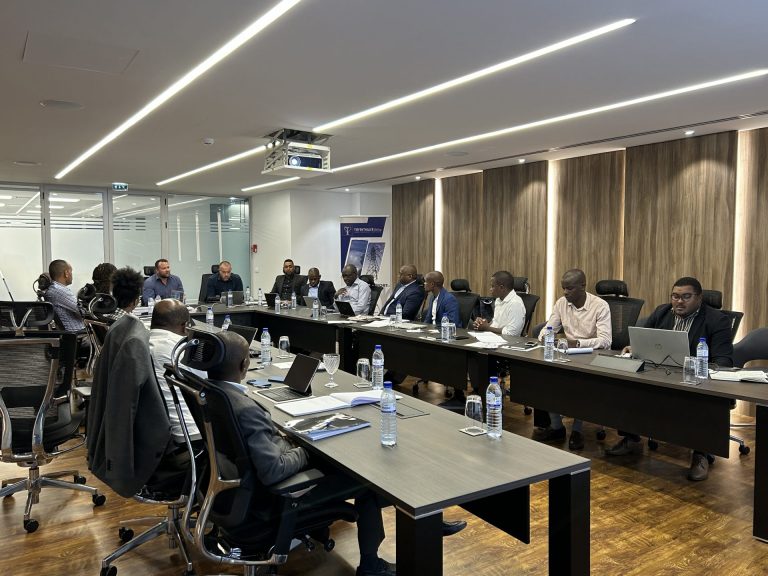
The Tony Blair Institute for Global Change (TBI) has conducted a series of specialised training sessions for interns at Mozambique’s Mphanda Nkuwa Hydropower Project Implementation Office (GMNK), reinforcing its commitment to capacity building in major energy infrastructure projects across Africa.
Held under a strategic partnership between GMNK and TBI, the latest three sessions focused on Public-Private Partnerships (PPPs), Mozambique’s Just Energy Transition Strategy, and the potential of large-scale energy projects to catalyse domestic industrialisation. These sessions are part of a wider programme consisting of four technical training modules tailored for GMNK staff.
The training on PPPs provided insights into the legal frameworks and transactional mechanisms critical for structuring infrastructure partnerships in developing economies. The session on the Just Energy Transition Strategy underscored the importance of balancing decarbonisation with energy access, equity, and economic resilience in Mozambique. Finally, the third module explored how mega projects like Mphanda Nkuwa can drive local industrial growth, stimulate job creation, and increase value addition within the country’s economy.
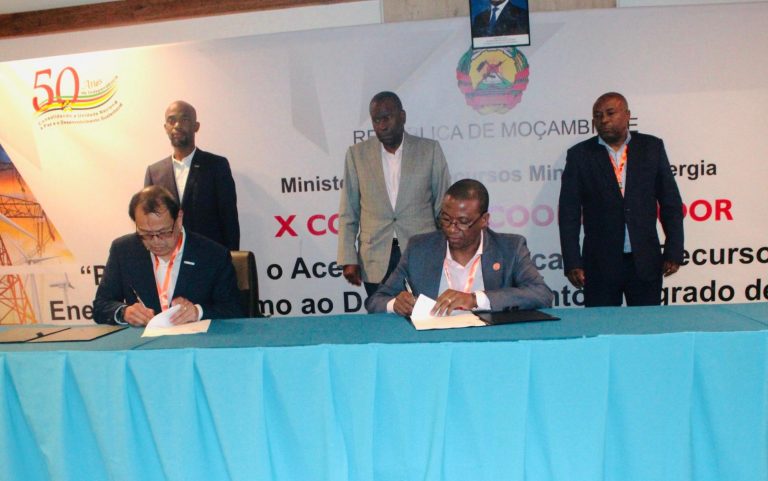
Founded in 2016 by former UK Prime Minister Tony Blair, the London-based TBI operates globally to support governments in delivering policy and governance reforms. In Mozambique, the Institute is advising GMNK through the Ministry of Mineral Resources and Energy (MIREME) in key strategic areas including financial modelling, investment strategy, energy export modelling, and the market sounding process for specialist firm recruitment.
The Mphanda Nkuwa project, which includes the development of a high-capacity hydropower plant and a high-voltage transmission line, is considered a cornerstone for Mozambique’s energy ambitions. It aims to not only boost the country’s renewable energy generation capacity but also position Mozambique as a regional energy exporter.
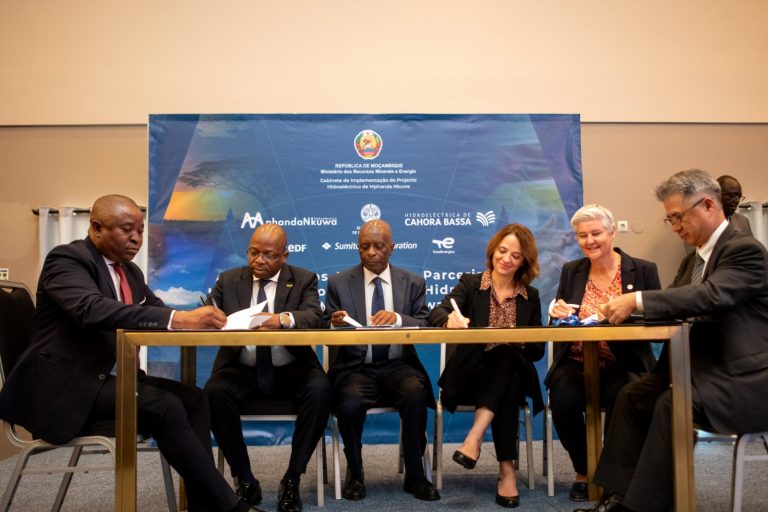
The collaboration between TBI and GMNK reflects a growing recognition of the importance of international expertise and strategic guidance in executing complex infrastructure projects that deliver both economic and social impact.
Source: Further Africa