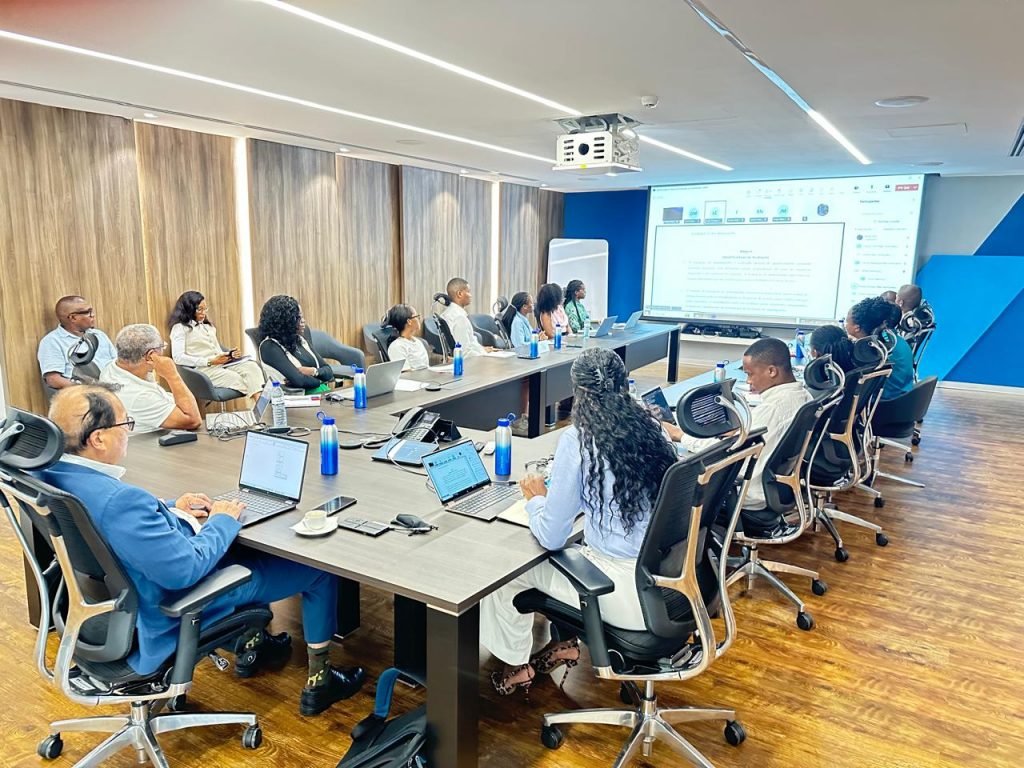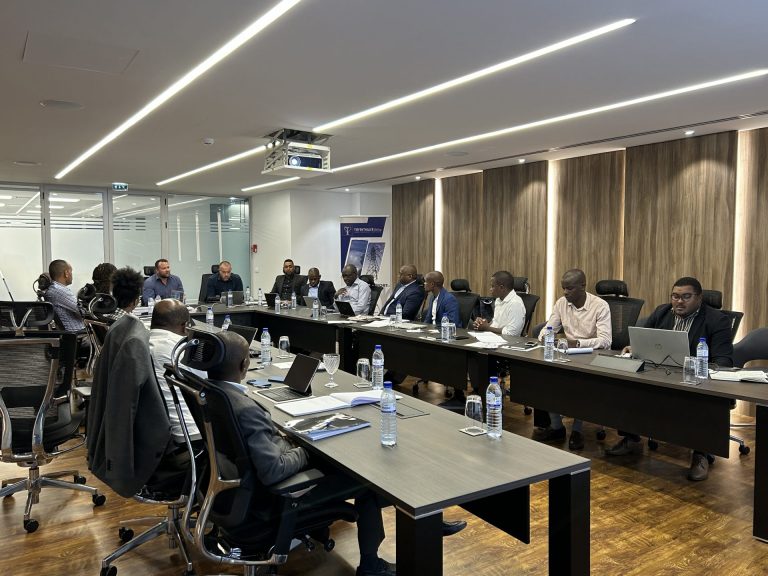
The Mphanda Nkuwa Hydropower Project Implementation Office (GMNK) has unveiled its Performance Evaluation Manual, a key tool aimed at improving human resource management and operational efficiency.
The initiative underscores GMNK’s commitment to fostering a high-performance culture that aligns with international best practices.
The Human Resources Department led the presentation, emphasising the manual’s role in employee development and organisational efficiency. The document establishes clear criteria and objectives for both individual and collective performance evaluation, promoting meritocracy and professional growth within the organisation.
A Transparent and Fair Evaluation Framework
According to GMNK, the manual is designed to:
- Set Clear Expectations – Employees will have a transparent understanding of performance goals and career progression opportunities.
- Implement Regular Feedback Mechanisms – A structured system for performance reviews allows employees to receive continuous guidance and improve their skills.
- Support Recognition & Promotions – Performance assessments will serve as a basis for rewarding excellence, promotions, and training initiatives.
“Our goal is to establish a fair and transparent evaluation system aligned with international best practices. This manual ensures that every team member understands the company’s expectations and has clear pathways for professional development,” stated a GMNK representative.
Strengthening Workforce Efficiency for Project Success
The launch of this manual reflects GMNK’s commitment to HR excellence, ensuring that its workforce is fully aligned with the institution’s strategic objectives. With Mphanda Nkuwa being one of Mozambique’s most significant energy projects, efficient human capital management is critical to its successful execution and long-term sustainability.
By integrating structured performance evaluations, GMNK aims to enhance productivity, motivation, and skill development, reinforcing its role in delivering a world-class hydropower project.
Source: FurtherAfrica